


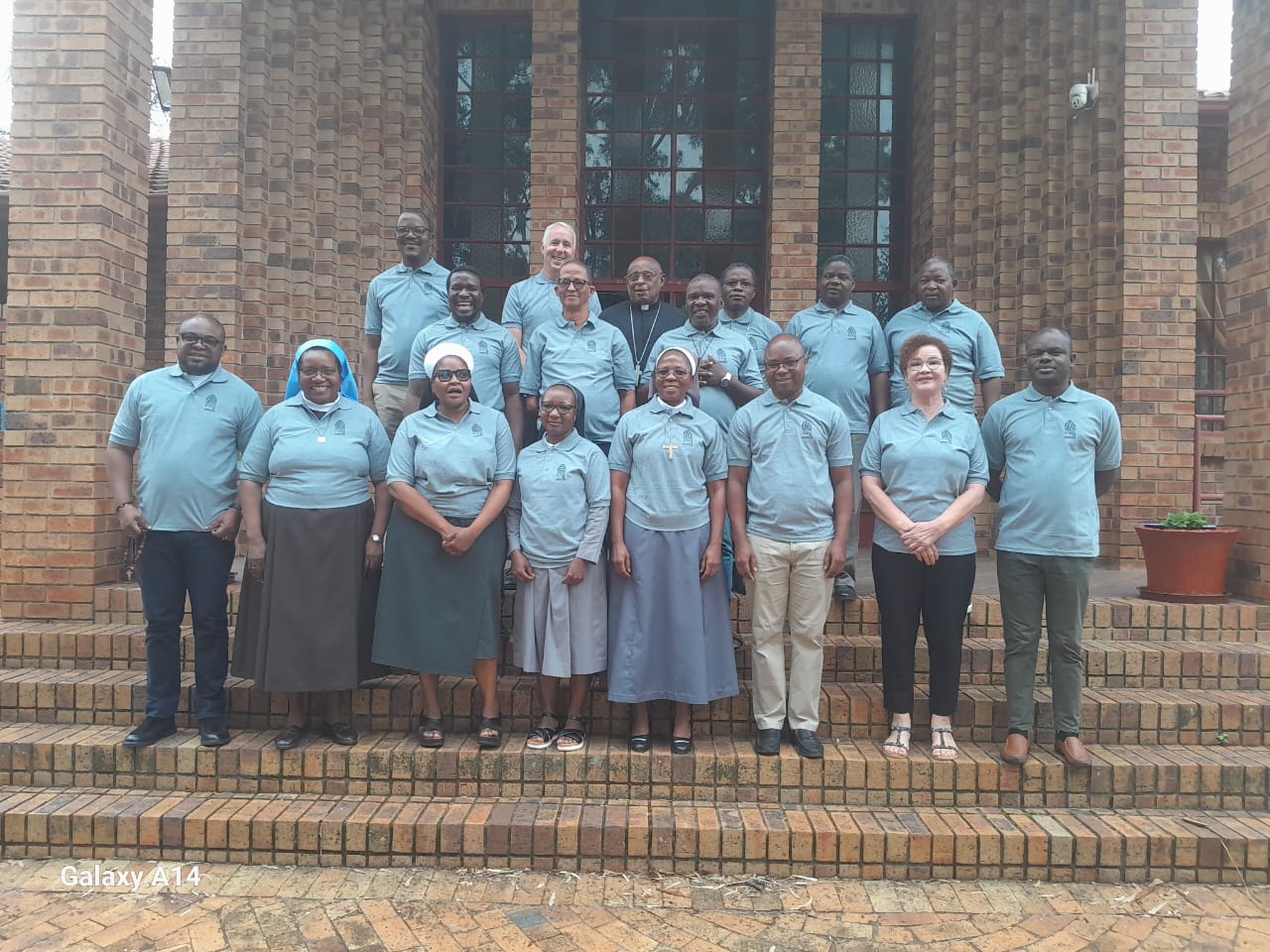
The Memorare Initiative Seminar, organised by IMBISA under the theme “Enhancing child protection through training, awareness and advocacy in IMBISA,” took place from 01-08 March 2026 at the Padre Pio Retreat Centre, Pretoria/South Africa. Delegates from all IMBISA Episcopal Conferences participated, including bishops, priests, religious, and lay people. At the end of the seminar, the delegates reached the following conclusions and recommendations:
- Safeguarding is an integral part of the Church’s mission, focused on ensuring a safe and dignified environment for all, with an unwavering commitment to protecting minors and vulnerable adults. Therefore, the delegates affirm their commitment to prioritising protection, promoting healthy attitudes, and justice within ecclesial and civil communities.
- The objective of promoting safeguarding is to prevent abuse and protect minors and vulnerable adults through awareness and implementation of clear safeguarding guidelines.
- Safeguarding involves the entire ecclesial reality to create a culture of care and protection. Therefore, the delegates declare their unwavering commitment to adopting a culture of prevention, vigilance, transparency and accountability.
- The meeting called for prudence, courage, and determination in affirming a church that is safe for all.
- When recruiting people for any position, proper and careful vetting should be conducted.
- The delegates commit to ongoing family pastoral care, education, training, and capacity-building activities to improve their understanding of protection and safeguarding.
- Synodal spirituality, with listening and conversion of heart, is seen as fundamental to a true culture of protection in the Church.
- In line with the Universal Guidelines Framework on the protection of minors and vulnerable adults, we maintain zero tolerance in responding to and reporting cases of abuse, whether emotional, physical, sexual, spiritual, or cultural. Policies need to be regularly reviewed in order to align them with the current legislative norms and requirements of the Code of Canon and Civil Law.
- The meeting calls on all clergy, religious and laity to prioritise the safeguarding of minors and vulnerable adults. Further, serve as role models for other members of the communities and refrain from any actions or behaviour that will bring the church into disrepute and harm people.
- Encourage Episcopal conferences to establish safeguarding structures at all levels and implement Codes of Conduct in accordance with the Memorare Initiative.
Delegates