


Twenty-second Sunday in Ordinary Time (Year A)
First Reading – Jeremiah 15.16-21
Second Reading – Romans 12.9-18
Gospel – Matthew 16.21-26
Brothers and sisters in Christ, today’s Gospel presents us with a striking moment: Jesus rebukes Peter, the very disciple who had just confessed Him as the Messiah. Why? Because Peter’s words, though born of love, reflect a human mindset that resists God’s plan of salvation. Peter wants to protect Jesus from suffering, yet Jesus insists that the path to redemption requires the cross. This reminds us that faith must rise above human reasoning and self-interest.
When we look around our cities in Southern Africa, we see the diversity of Christian expressions: majestic cathedrals, storefront “miracle centers,” and indigenous communities worshipping under trees. This diversity reflects a deep spiritual hunger. Yet it also reveals a danger: many Christians are drifting into subtle idolatry—the worship not of God but of pastors, prophets, and spiritual leaders. Jesus rebukes Peter because Peter’s words risk diverting Him from His mission. Likewise, we must rebuke anything that diverts us from true worship of God.
Today, religion is often commercialized. Politicians attend churches to campaign for votes, and some pastors preach a “this-worldly” prosperity gospel. Utilitarianism—using faith only to meet immediate needs—has crept into our worship. But faith is not a transaction. It is not about what we can get from God. Faith is about surrendering to God’s will, even when it leads us to the cross.
In Zimbabwe, bishops worry about blended Christianity, while in South Africa, priests blend traditional healing practices with Catholic liturgy. These realities show how easily faith can be compromised when we seek power, fame, or material gain. Jesus reminds us: “You are thinking not as God does, but as human beings do.” We may be falling into subtle forms of ‘Christian idolatry’. Idolatry isn’t just about worshiping golden calves or carved images—it’s about letting something else become more important to us than God.
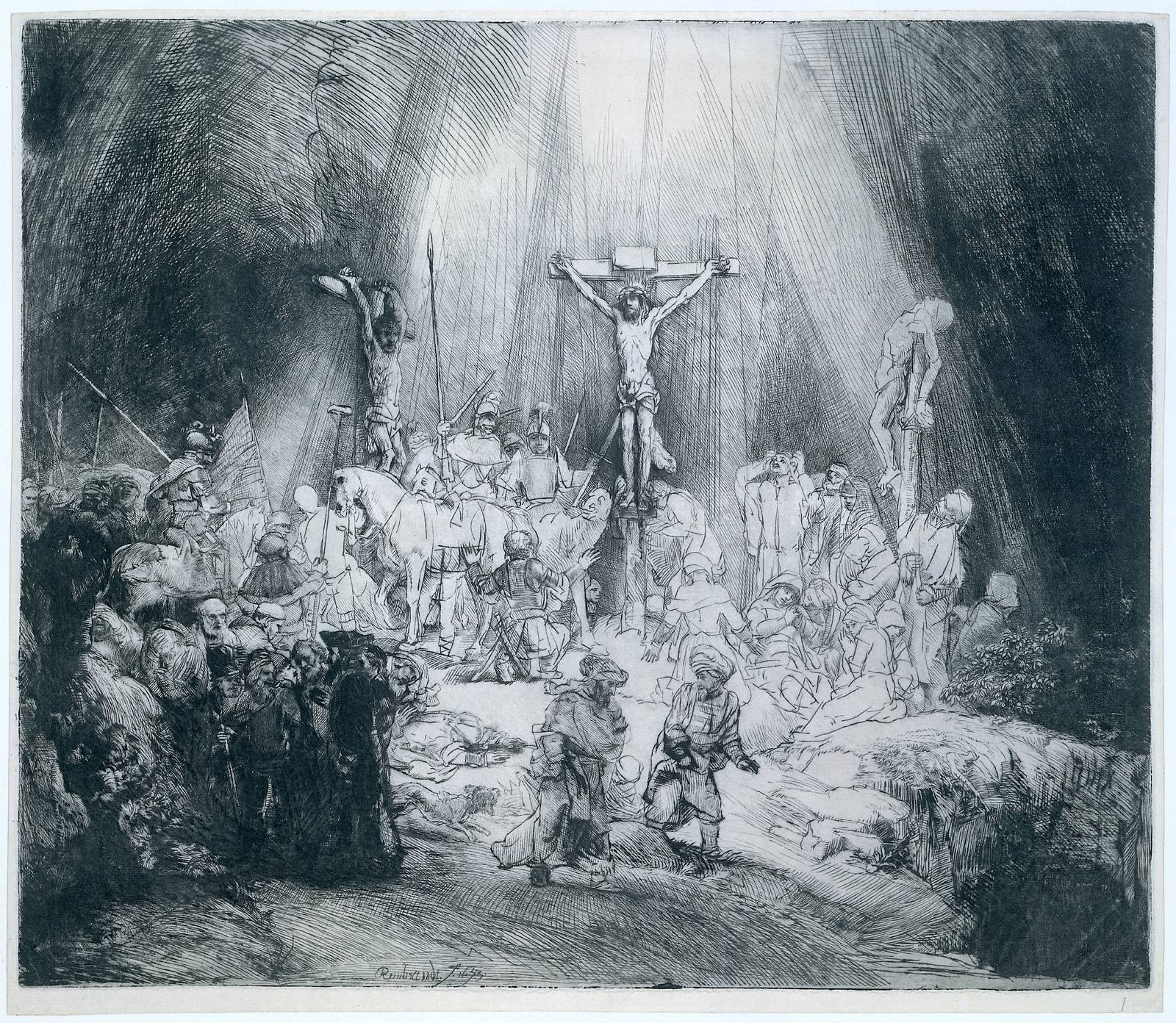
The Church must be vigilant. We are called to proclaim Christ crucified, not Christ commodified. The prosperity gospel may resonate with those longing for a better life, yet it risks reducing God to a means to material success. True Christianity is not about fame, fortune, or political influence. It is about following Christ on the way of the cross, trusting that the resurrection will come.
St. Paul’s letter to the Romans urges us to seek God’s will rather than conform to the world’s patterns. In Romans 12:2, he instructs the Romans to “be transformed by the renewing of your mind” so they can discern God’s good, pleasing, and perfect will. This transformation is not merely a change in appearance but a change of heart and mind that aligns with God’s will.
So, what does this mean for us? It means we must examine our hearts. Do we come to church seeking miracles, wealth, or social status? Or do we come to encounter the living God, who calls us to holiness, sacrifice, and love? Like Peter, we may sometimes resist the hard truths of discipleship, but Jesus calls us to set our minds on the things of God.
Let us pray for the grace to resist the temptation toward a utilitarian faith. Let us pray for the courage to proclaim Christ crucified in a world that prefers quick fixes and prosperity promises. And let us remember: the true miracle is not material wealth but the transformation of our hearts in Christ.