


Third Sunday of Lent, Year A
The Israelites find themselves in the wilderness where they experienced the lack of a basic need: water. They are thirsty and it seems to me that they are not accustomed to being thirsty.
The wilderness is a harsh and dry place. It offers very little security and sustenance for the body. Growing up in the arid Great Karoo and working most of my adult life in the perennially water-scarce region of the Little Karoo, I can understand this uncertainty and feeling of insecurity, if not the desperation of a life-threatening situation.
According to authoritative reports, the world is increasingly becoming water- scarce. Many cities around the world regularly experience insufficient water supply and rural areas suffer regular droughts. Levels of surface and ground water are steadily decreasing and governments do not seem to make the necessary timeous intervensions. Desperate situations very often have the effect of causing people to make irrational decisions and it stirs up emotions like anxiety and panic. These, in itself, robs people of a quality of life. We see rioting, strikes and vandalism arising from this uncertainty.
It is not surprising therefore that the Israelites acted similarly when confronted with a lack of water. They forgot that the God who freed them from slavery by signs and wonders and opened a passage for them through the Sea of Reeds, is with them. They forgot about the Source and were completely overwhelmed by the immediate need. They forgot where they came from and where they were going too.
The desert situation strips away all certainties until only total dependance on God remains. It invites an act of remembering the Source and placing one’s trust in Him. Not in one’s own abilities or human efficiencies. In the desert these become redundant.
This is true of the Sinai desert, and it is also true of the spiritual wilderness of Lent in which we find ourselves at present. As children we were often called upon to join the adults in praying for rain. A call to return to the Source.
The truth is that God provides in abundance. Human beings, as stewards of God’s gifts, need to constantly manage these resources in a just and merciful way. God provides the wisdom for this too. The reality of scarcity is a constant call to reevaluate our stewardship and to share and help. This is also the call of Lent. The experience of scarcity should lead to an abundance of solidarity, empathy and charitable works. It calls us to an abundance of personal responsibility and of adding our efforts to the building of a more just society.
The Israelites understood that water means life. It is not surprising therefore that God makes water the symbol of his very life. Living without God means dying in a greater sense than dying from bodily thirst. In the Gospel reading, Jesus makes clear that He is the Water of Life. He gives life abundantly.
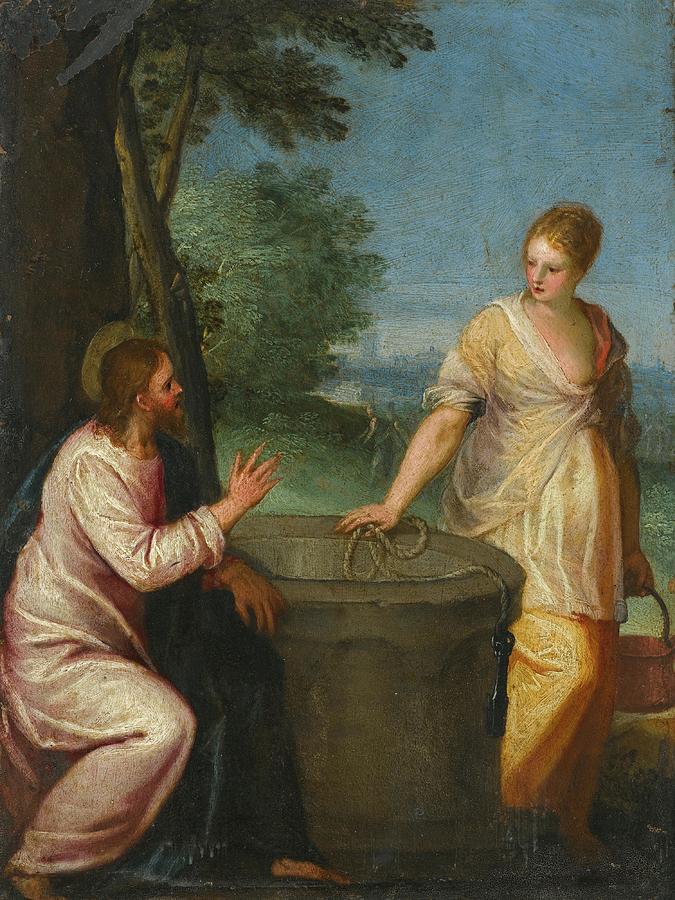
Not only did he transcend cultural and religious boundaries by conversing with the woman at the well, but he also spent time in really seeing and listening to her, leading her to faith step by step and addressing her biggest need: the need for love and acceptance. She must have felt a complete failure in this regard and must have been craving for so much more. Jesus offers himself to her: faith in him is life-giving and the fulfilment of the deepest human need and search.
Furthermore, with Him, there is always room for more. The townsfolk, who are Samaritan and traditionally enemies of the Jews are welcomed by him after the evangelising efforts of the woman who found life in him. Her life was completely changed, in turn, she changed the lives of many. All this flows from the recognition of a need and an offer to fulfil it.
We are invited this Lent, to rediscover our Source, spend time with him in prayer and listening, trusting him with our perceived present need, opening our hearts to him and allowing him to share His life with us, his words, his gaze, his touch through our practice of fasting prayer and almsgiving. Yes, with God, there is abundance, even in the desert.