


Eleventh Sunday of Ordinary Time, Year A
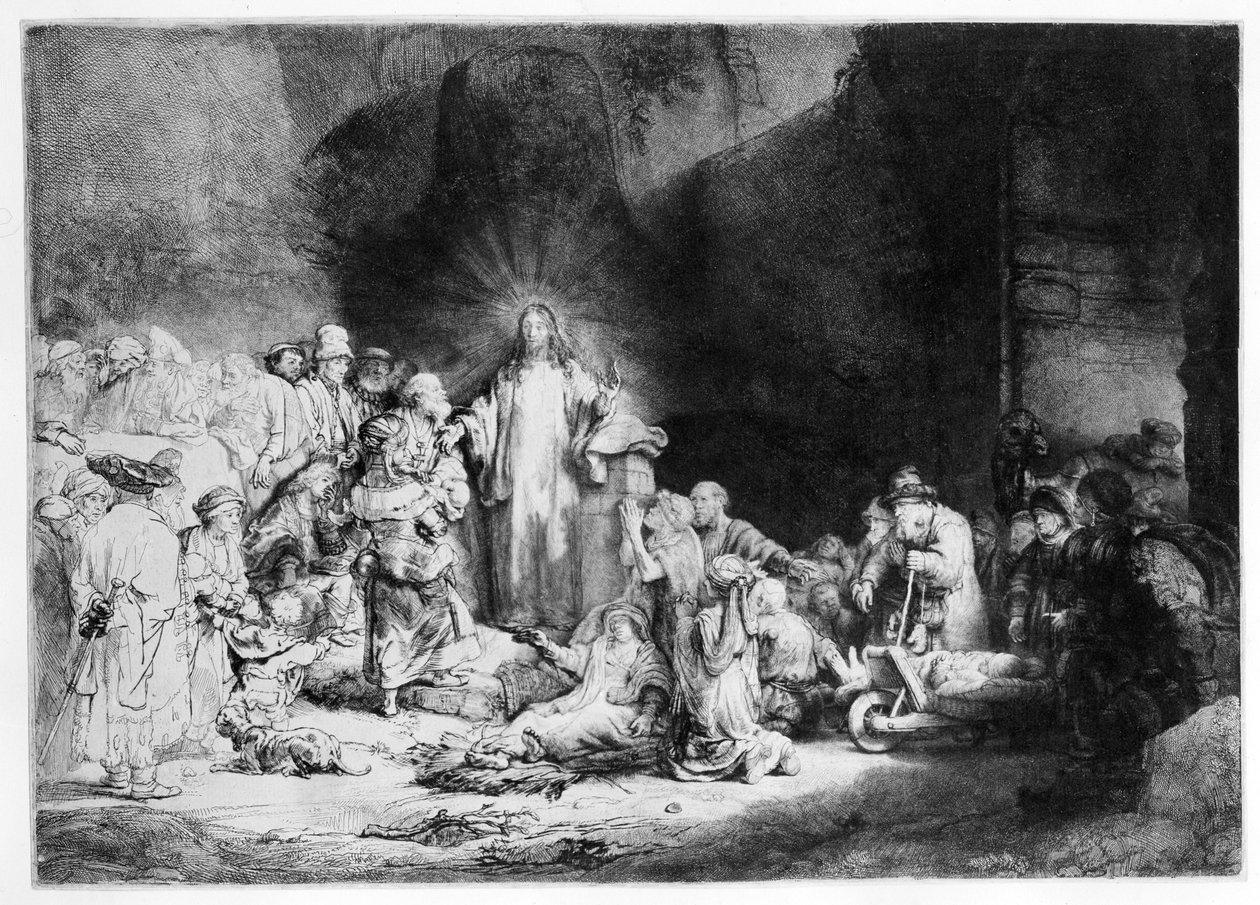
When Jesus saw the crowds, he felt sorry for them because they were harassed and dejected, like sheep without a shepherd (Mt 9:36). Today’s gospel passage forms a summary hinge between Jesus’ Galilean ministry (ch. 4–9) and the sending of the Twelve (ch. 10). Jesus has just healed the blind, mute, demon-possessed, paralytic, and haemorrhaging, then raised Jairus’s daughter. The crowds swarm Him not only for miracles but for meaning. The people of the time of Jesus suffered from various problems; Roman occupation imposed crushing taxation, Herodian administrators exploited them and the Pharisaic and scribal legalism added to their burdens: “They tie up heavy burdens and lay them on men’s shoulders” (Matthew 23:4). These factors left the masses harassed and dejected, torn by external injustice and thrown down by internal despair.
Southern African countries continue to grapple with a complex tapestry of historical, economic, social, and political factors that perpetuate poverty and deepen inequality. Our leaders have systematically failed us, through incompetence and deliberate greed and betrayal. Hospitals are without medicine, schools without books, and a generation of young people is watching their futures slip away. Apparently, the eyes of the leaders are on power retention more than serving the needs of the people. Even today the Lord hears the cry of the multitudes who feel abandoned and long for dignity, joy, peace, and love. In the desolation of misery, loneliness, violence and hunger that indiscriminately afflict our people, Jesus is still moved with pity for the crowds. He still chooses to defend them, to feed them and even to die for them. He continues this mission through the Church, all the baptized.
The mission of the Church should be born from compassion. The Church is called on to see the misery of the old, the weak, the immigrant and the minority. We should see and have compassion for the young, educated and ambitious young people of our countries who are slowly losing hope as unemployment crushes their dreams. We should see the crowds with compassion and see the fatigue, loneliness, fear and hopelessness that arise when there are no guide and no hope.
This mission of the Church is not a privilege reserved for the few but a responsibility for all the baptized. God chose us, not to exclude others but to use us a privileged instrument to make him known and loved. We are a synodal Church and synodality is about being Church of communion, participation, and mission, so that the Church’s life and witness become a living sign of the Gospel’s unity and love in the world. We are invited to become instruments of healing and liberation. What Jesus asks from us is not super heroism, but compassion and availability: “Go… give freely”. Our mission is born from the heart of God who has bent over our frailties and continues where human toil grows- where people seek meaning, care, dignity and hope. He makes us sharers in his compassion so that we know how to welcome and treat every sister and brother as a gift from God.
Our Churches and Christian communities must be havens of care, of solace, and comfort. They must be caring communities that serve the lonely and poor. The church lives among the poor, the harassed and the dejected. No-one should feel harassed and dejected where there is a Church or Christian community. Cure the sick, raise the dead, cleanse the lepers, cast out devils. You received without charge, give without charge.’ The Gospel has the power to cure us from the diseases of selfishness and individualisms. It can heal us from so many paralysis and fears. Through the Gospel, the harassed and dejected can be restored to dignity and hope.