


13TH SUNDAY IN ORDINARY TIME
INTRODUCTION
Today’s readings invite us to reflect on a powerful truth: that we make space for God in our lives and allow him to be first. Then he will transform the way we live and the way we love. From a simple act of hospitality to radical surrender, we are called to freer and deeper faith rooted in Christ.
First Reading – 2 Kings 4: 8-11, 14-16
The first reading unfolds during the time of prophet Elisha by the 9th century BC, a time when Isreal was spiritually unstable. Prophets were the signs of God’s presence among the people.
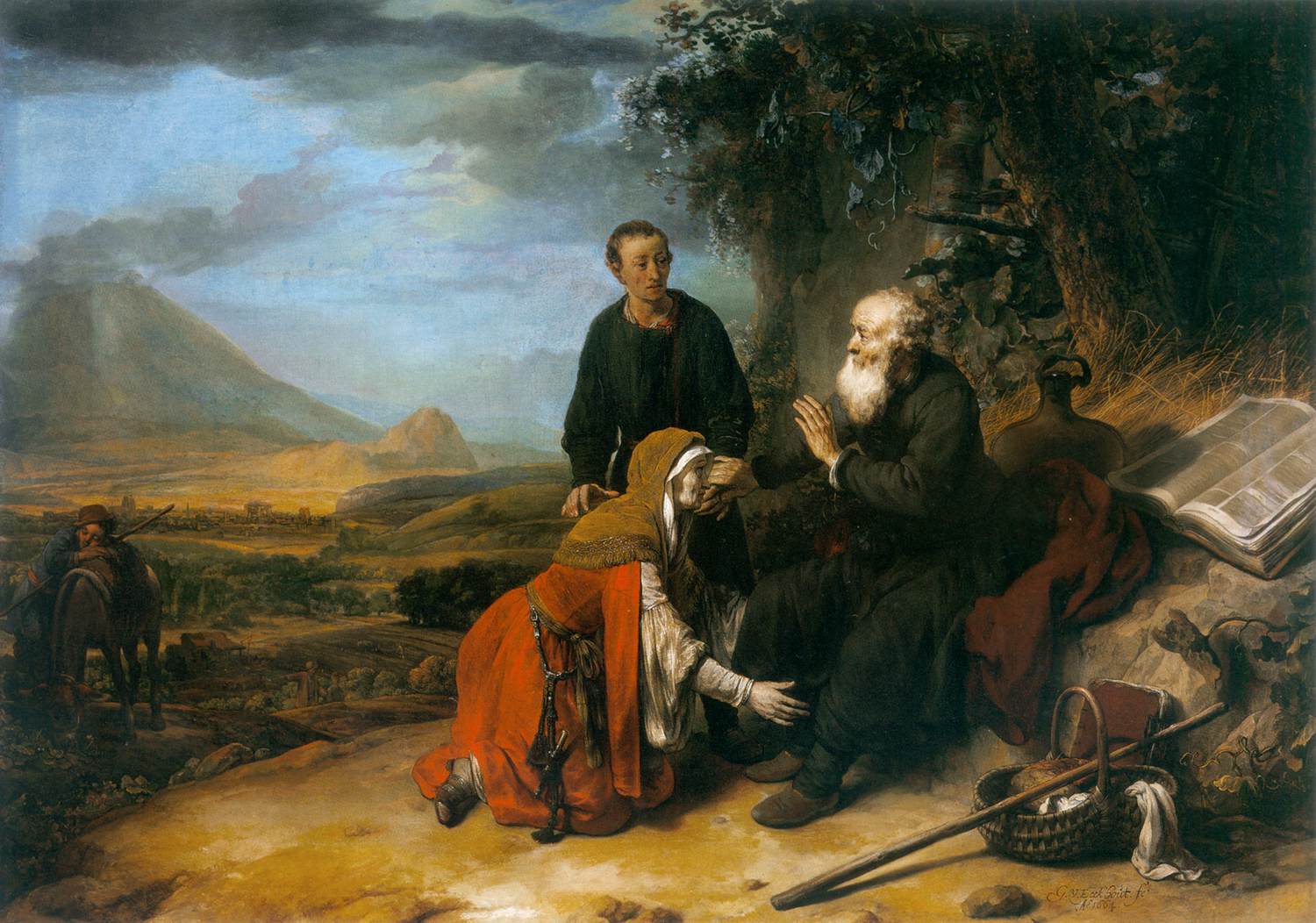
Elisha traveled place to place when a woman from Shunem recognized something in him which others may have missed. She saw in him a holy man of God.
She does not offer a one-time act of kindness, but creates a long-time space in her home. Her hospitality is intentional and generous, rooted in faith. She didn’t just welcome Elisha, she made a place for him. This is a symbol of her opening a door for God to act in her life.
In a world driven by gain and recognition her quiet goodness stands out. Elisha is looking for a way to repay her and she wants nothing. Yet God sees deeper than her outward contentment. God saw her longing, for she had no child.
Through Elisha she was promised a son, but she was disturbed and afraid of how he might have come to know that. This is a human reaction if hope had been delayed. It tells how hope can be risky, that it takes long, but God is faithful.
This passage gently reminds us that God notices the unnoticed. Kindness done in sincerity does not go unseen. The Shunamite woman teaches us that faith is not always loud but found in small consistent gestures of love.
We are invited to live like her. To make space for trust in our ordinary way of life that even the unspoken desires of our hearts are known to God.
Second reading – Romans 6:3-4, 8-11
St. Paul speaks about the profound meaning of baptism. He reminds the Romans that baptism is not just a ritual, but a sharing in the resurrection of Jesus Christ.
When a person is baptized, they are symbolically buried with Christ. Then, just as Christ was raised from the dead they are raised to new life. Baptism is not just a ritual, but it changes everything and we die with Christ and rise with him to the new life.
Early Christian communities embraced this belief. They learnt to leave behind old ways of life. Paul wanted to make them aware that to follow Christ meant an inner change. When we are united with Christ, it means that the power of sin is broken. United with him in his resurrection means receiving strength and hope to live with freedom.
This passage reminds us that Christian life is about renewal. We all struggle with weakness, sin and old habits, but through Christ we are freed by him because Christ has conquered death.
Believers are invited to consider that they are alive in God. Baptism is not just something that happened in the past, but is instead a reality of everyday life.
Each day we are called to leave selfishness, sin and fear to live and rise with Christ in love, hope and holiness.
Gospel – Matthew 10: 37-42
Whoever loves mother and father more than me is not worthy of me.
These are not easy words. Jesus is not just asking for any old place in our hearts; he is asking to be the first.
He is not asking us to love our family less, rather he wants us to love him first so that we can love others rightly. When God is at the center our love becomes deeper, freer and less controlling.
He then speaks about taking up the Cross. The cross means suffering and total surrender. To follow Jesus is to let go of the desire to control everything. It is to die from selfish desires. It is to trust God even if it brought us difficulties.
Whoever loses life for my sake will find it.
This is the promise of finding the fulness of life. The world says protect yourself or you will lose your life. Jesus says lose your life; by losing it you will find it.
That is the paradox of the Gospel, surrender becomes freedom, love becomes greater in the kingdom of God.
Even offering a cup of cold water to someone really matters.
Jesus teaches that the discipleship is not about big and dramatic choices, but is more about daily kindness, quiet faithfulness, and simple generosity.
Conclusion
The gospel invites us to ask who truly comes first in my life. It teaches us that every choice made for Christ, big or small, has lasting value. This calls us to ask: where God is asking me to make space? What is he asking me to let go of? Whom has he called me to love freely?