


The academic dean at the Institute where I was a theology student was a certain Dr Luke Mlilo. Inside his office, next to the door, there was a picture of a laughing face with the caption; “… AND JESUS LAUGHED!” Reflecting on the Gospel this Sunday I could not help to think that Jesus must have had a few chuckles as he told the parable.
It might be helpful to state some obvious or not so obvious facts about the Gospel for this Sunday. The context is that of Peter asking what benefit leaving everything and following Jesus would have for those who have done so. Jesus says to him, well, there will be a multiplication of benefits that will have been foregone, in this life. And, in addition, those who will have left everything and followed Jesus will get very prominent places in the New Creation and receive life that cannot be interrupted by death anymore. The parable told by Jesus is his way of explaining how the events that will address this matter will unfold.
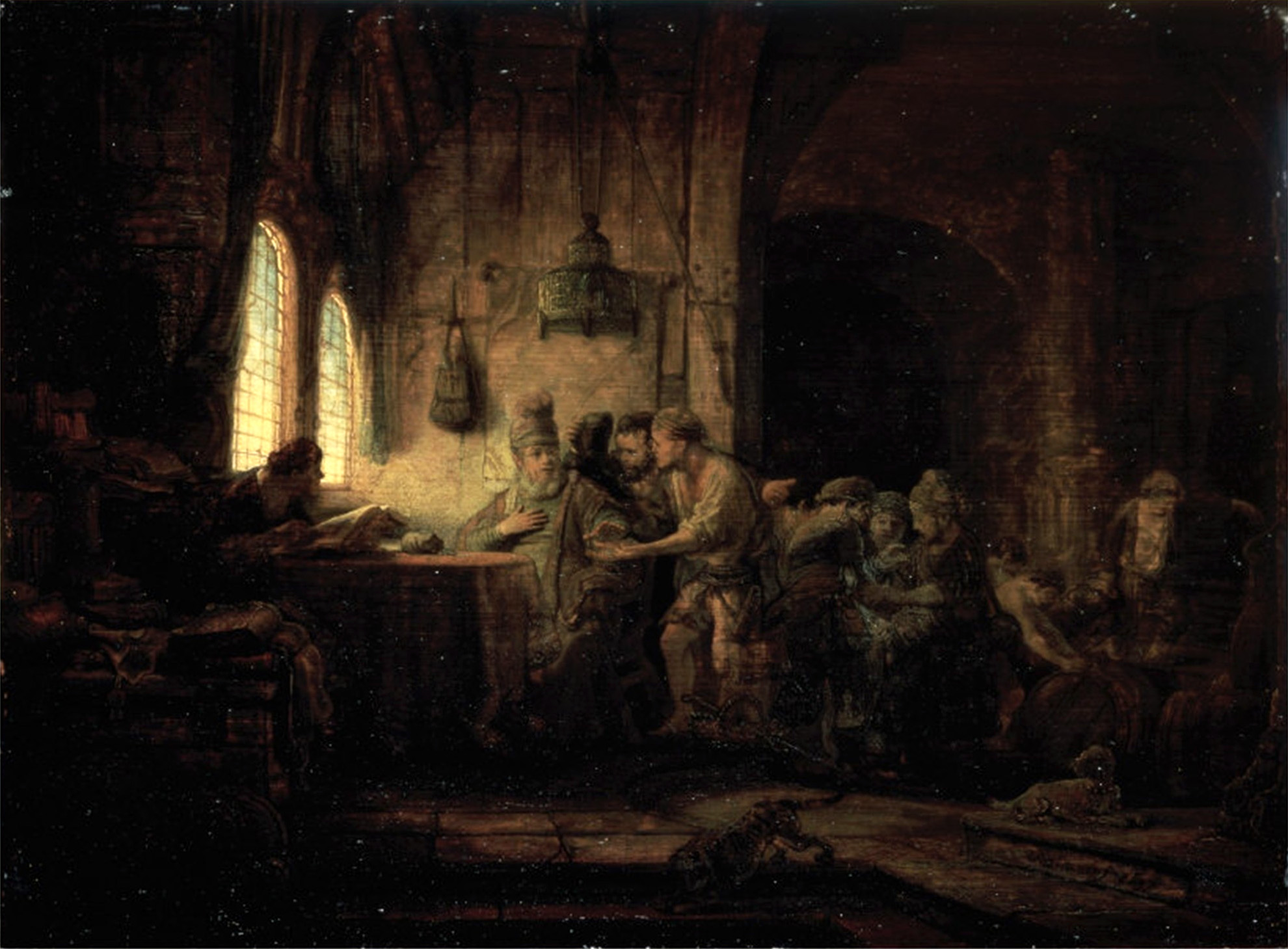
The parable is placed within a season. The season is that of harvest time for grapes. This somehow reinforces the point made by Qoheleth some centuries earlier, namely; that life is seasonal. Seasons by their very nature favour some better than others. Some fare better in the summer while others prefer the winter. On the part of the landowner, it is crucial to harvest and be done before rainfall. On the part of workers, there are those who need work to put food on the table while others are hiring themselves out in addition to some other occupations they might have had.
As far as the different times of the day are concerned, these refer to the different stages of one’s life when one responds to the call and begins to get involved in the establishment and progression of the Kingdom of God. Those who are hired first represent those who were fortunate enough to be brought up in the faith and grew in faith and faithfulness. The others discover it at later stages of their lives until towards the very end indeed for some. This is due to a vast number of reasons.
Jesus must have laughed when he went to the marketplace at about the eleventh hour. He remembers having seen the last lot and asks why they had been standing idle the whole day. They are not ready to take responsibility and they appeal to victimhood. They say nobody even looks at us. Jesus knows that they are not being totally truthful, he laughs it off and invites them to come along and join the others because their dignity depends on it. Jesus laughs at our pity parties and invites us to a more accountably approach to life. Of course, he laughs because he knows that some of life’s experiences may have genuinely caused us some injuries that delay us from seeking him while he can be found. He laughs because he is gracious and merciful.
Jesus must have laughed at the “early bird catches the worm” crew. This is the group that has been there even before the church grounds were bought and they were there to see all the previous priests. They have indeed made generous contributions to the building of the Kingdom of God. However, they somehow lost the actual motivation and have allowed themselves to get in the way. They have forgotten that a denarius is actually enough. They feel entitled to more. Surely you cannot treat everybody else like us, they say! We deserve better. Jesus laughs at this attitude for indeed “my thoughts are not your thoughts” he must have mused.
The landowner’s denarius is sufficient because it addresses human dignity. Pope Leo addresses this in the 52nd paragraph of his Encyclical Letter called Magnifica humanitas (the grandeur of humanity). I want to quote the whole paragraph and where the term ontological dignity we can think of the denarius mentioned by Jesus in the parable; the landowner’s denarius. The Holy Father writes:
When we speak of dignity, we do not always use the word in the same way. Sometimes we refer to moral dignity, namely the way in which a person directs his or her choices and actions. At other times, we think of social dignity, which refers to a person’s living conditions and the concrete respect received from society. In other cases, we refer to existential dignity, meaning the way in which a person perceives his or her own worth and the value of life. These aspects of dignity can be enhanced or diminished. In addition to these notions, there is also the more profound and important level of ontological dignity. This is the dignity that belongs to every human being simply by virtue of existing, of having been willed, created and loved by God. No sin, failure, humiliation or exclusion can diminish the profound value of a human life that God has willed and called into being [MH #52].
God, the landowner, wills the good of all. He understands those who delay because of different scars and limps. He must appreciate the faithful hard workers too. It is really upon us to know which group we belong to. As St Paul reminds the Philippians, we should not get bogged down by non-essentials. If we are fortunate enough to serve for a longer time, we must not let that get into our heads. If we see some who take a bit longer to come forth, we need to say to them, “come give us a hand, it will be wonderful for you to also earn your denarius”. May we learn to laugh at ourselves when we feel too sorry for ourselves as well as when we feel too entitled. It was GK Chesterton who said angels can fly because they don’t take themselves too seriously.