


IMBISA STATEMENT FROM THE WORKSHOP ON JUSTICE, PEACE AND THE INTEGRITY OF CREATION
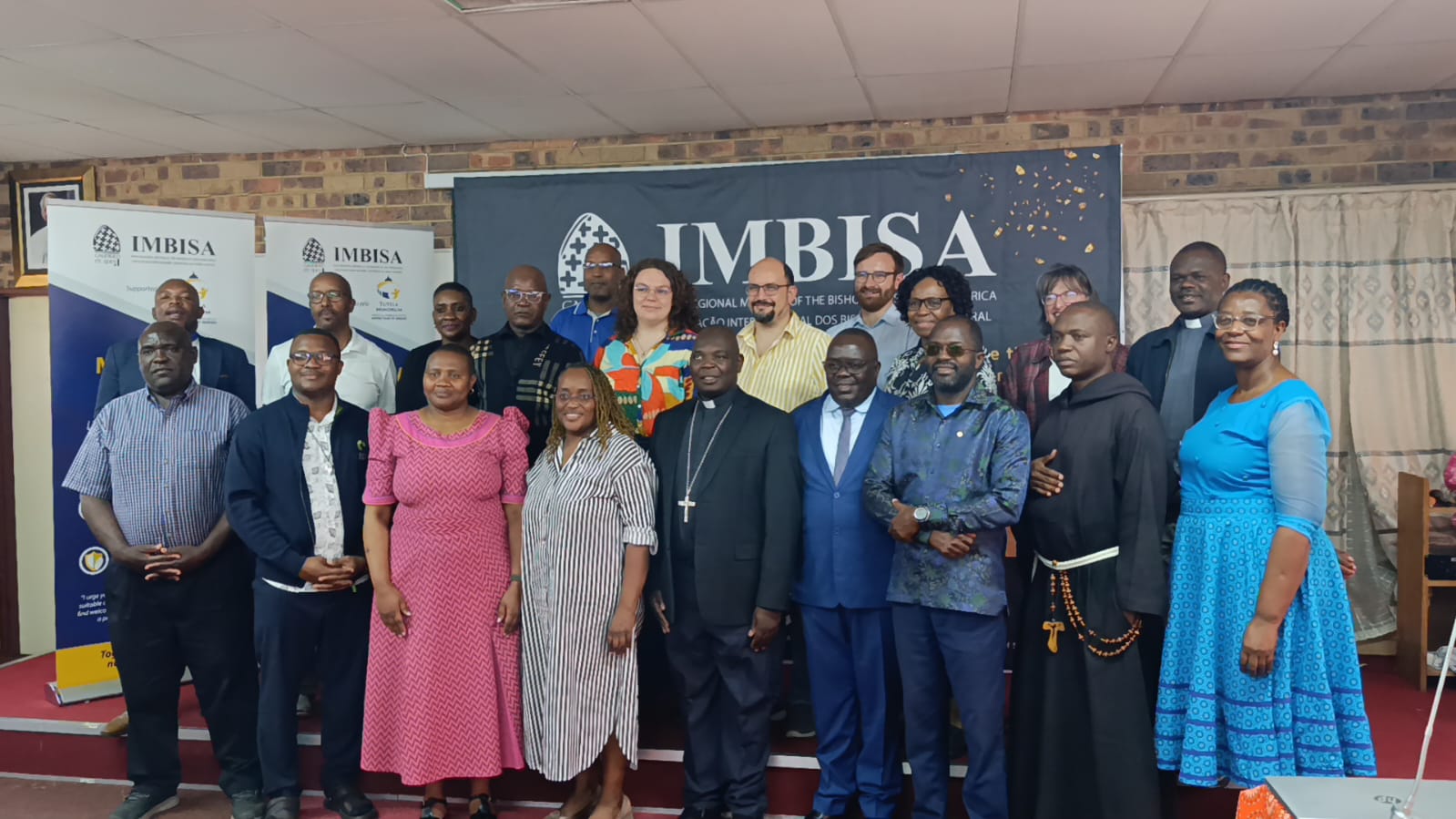
A workshop on Justice and Peace was held from October 12 to 16, 2026, at the Padre Pio Retreat Centre in Pretoria, South Africa. The workshop, themed “EMPOWERING RELIGIOUS LEADERS TO ENGAGE IN EFFECTIVE ADVOCACY ON SOCIO-POLITICAL, ECONOMIC, AND ENVIRONMENTAL ISSUES IN THE IMBISA REGION,” brought together delegates from all IMBISA Episcopal Conferences, including bishops, priests, men and women religious, and lay people. At the conclusion of the workshop, the delegates reached the following conclusions and recommendations:
- Southern Africa contributes a smaller share of global greenhouse gas emissions, yet its interior is warming at a rate that poses a significant threat. This represents an asymmetrical burden of responsibility (climate injustice). Therefore, industrialized, high-carbon-emitting economies must assume their historical responsibility by funding the repair of irreparable damage in the region—moving beyond mere promises toward concrete implementation.
- Social justice and ethical resettlement: Mining plays a central role in the global economy, yet it imposes severe impacts on the environment, the health of affected communities, and workers in the sector. We therefore recommend that multinational corporations and governments respect the rights of local communities by ensuring fair compensation, accountability for health-related harm, access to dignified housing, and protection against the systematic pollution of air and water.
- Cascading extreme phenomena: The documented increase in severe droughts (such as those driven by El Niño), tropical cyclones along the eastern coast (Mozambique), and catastrophic floods destroys, housing, vital infrastructure, and social stability. Water scarcity, flooding and outbreaks of cholera and malaria results in forced displacement of millions of “climate refugees” into overcrowded urban areas.
- The “Natural Resource Curse” and the “Paradox of Plenty”: In the Southern African region, an abundance of non-renewable natural resources (such as base metals, minerals, oil, and gas) is often associated with lower economic growth, higher levels of corruption, and poorer social development compared to countries lacking such wealth. Consequently, a large portion of the population remains hungry and lacks access to basic services, including clean drinking water, quality education, sanitation, and electricity.
- Combating illegal mining and organized crime: Strengthening border control and law enforcement within the Southern African Development Community (SADC) to curb international criminal networks that fund armed conflicts and cause losses of billions to public coffers.
- Absolute condemnation of violence and accountability: Recommending that regional governments ensure proportionate police conduct, investigate hate crimes, and hold the leaders of movements that incite lynchings and issue ultimatums against foreigners criminally accountable.
- Debunking the narrative of migrant culpability: Find sustainable strategies for dealing with undocumented migration and related socio-economic problems (such as unemployment, inadequate healthcare, or housing shortages). Promote positive political rhetoric and avoid scapegoating and focus instead on poor governance and institutional corruption.
- Ending tolerance for electoral manipulation and implementing structural reforms. National Electoral Commissions must be completely depoliticized and granted financial and operational independence, ensuring they cannot be controlled by ruling elites.
- SADC and its Electoral Advisory Council can no longer act as mere, tolerant spectators. Observation reports must evolve from being merely advisory to becoming binding, with the application of rigorous diplomatic and political sanctions against governments that deliberately violate the Principles and Guidelines Governing Democratic Elections.
- The practice of mutual protection among regional leaders—many of whom hail from historical liberation movements—must end; popular sovereignty must be prioritized over the autocratic retention of power. True stability exists only when democratic institutions are genuinely autonomous and when the popular vote is truly respected and reflected in the governance of the state.
- The instrumentalization of defence and security forces to intimidate the opposition, arrest dissidents, or silence post-election protests must be vehemently condemned.
- Youth and women engagement: Promote the broad inclusion of young people and women in institutional leadership, peace and justice, ensuring effective representation in decision-making bodies—going well beyond the simple act of voting. Young people are not merely the future; they are a vital, present-day driving force for democratic consolidation, innovative governance, and the sustainable socio-economic development of the region.
Participants