


In 1959, Pope John XXIII expressed his desire to convoke a council that would be known to the whole Church. This would become the Second Vatican Council. In announcing it, he used a word that would capture the very heart of the Council’s purpose: aggiornamento. This Italian word means an update.
Those of us who use electronic devices understand how important updates are. Without them, gadgets become slow, they freeze, they crash, and they become vulnerable to bugs and viruses. An update brings them up to speed—both literally and figuratively—allowing them to function as they were meant to.
The aggiornamento envisioned by Cardinal Roncalli, later Pope Saint John XXIII, sought to bring the Church up to date with the times. This did not mean changing the Gospel to suit the world. Rather, it meant looking attentively at the world—at its joys and hopes, its griefs and anxieties—and asking how the Church could respond more faithfully to them in the light of the Gospel.
This spirit of aggiornamento lies at the very heart of the Gospel itself. The Gospel is Good News. It brings freshness into an old world; it renews hearts and, as the Psalmist says, it “renews the face of the earth” (cf. Ps 104). When truly lived, the Gospel always has the power to bring about an update—a genuine aggiornamento.
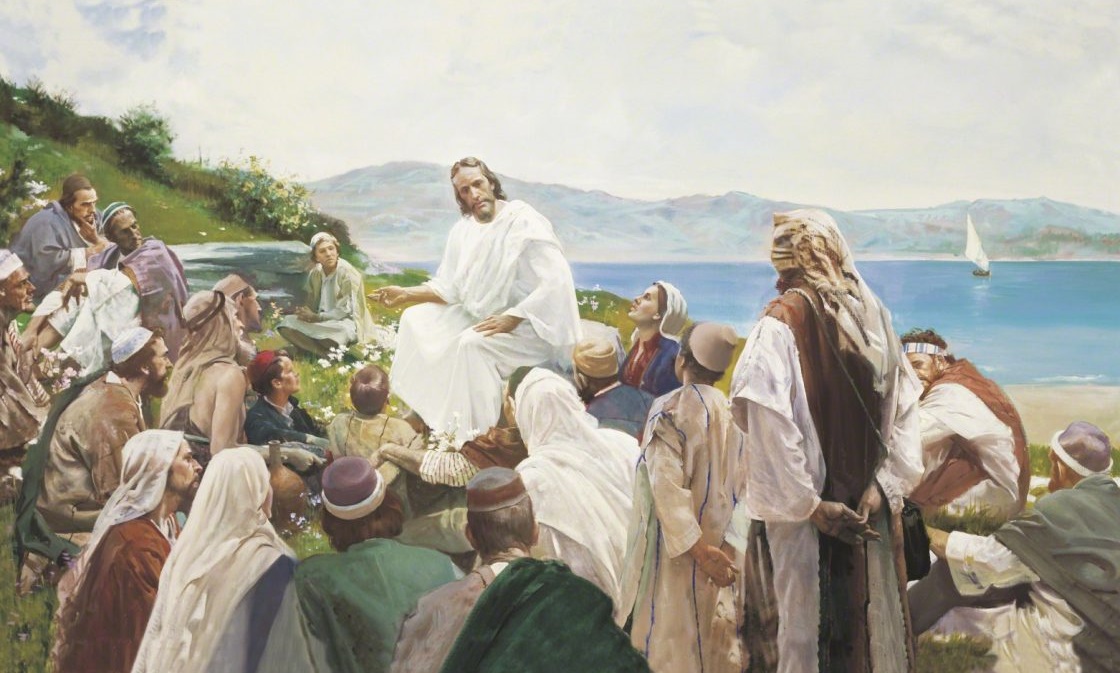
Saint Matthew presents Jesus’ Sermon on the Mount across chapters five to seven of his Gospel. Read as a whole, this sermon represents a profound aggiornamento—not only for the Church, but for society as a whole. The opening section, containing the Beatitudes, has often been described as the “charter” of Christianity.
Jesus begins with eight striking declarations. He congratulates certain people and calls them “blessed.” Some translations use the word “happy.” While these words are not identical, they are closely related. True happiness flows from true blessedness.
According to Jesus, blessedness does not consist in the accumulation of wealth, status, or worldly success. Rather, it is found in obedience to God and commitment to values such as humility, mercy, justice, and peace.
In many cultures today, people say “you are blessed” when someone is successful, influential, or materially prosperous. But this understanding, Jesus tells us, needs an update.
To be blessed, according to Jesus, is to be poor in spirit. This means cultivating a spirit of sharing, generosity, and openness, placing one’s resources at the service of others, especially those in need.
Meekness does not mean weakness. It means refusing to add violence to suffering. Fear and domination may control people for a time, but they do not heal hearts. Blessed are the meek.
From the mountain, Jesus offers us a vision of true happiness—a life shaped by new attitudes- the Be-attitudes:
In a world that glorifies accumulation, it is better to live with a spirit of sharing.
In a world that prizes toughness, it is better to acknowledge our need for God.
In a world that promotes self-interest, it is better to stand with others.
In a world saturated with harmful images, it is better to cultivate a pure heart.
In a world marked by war, blessed are the peacemakers.
When faced with persecution, rejoice and be glad, for you stand with the prophets and with Christ himself.
That is the Gospel’s update.
That is the aggiornamento that renews the world.